1.24.2018

signals by karin eda sanborn


The compensation of growing old [is] that the passions remain as strong as ever, but one has gained — at last! — the power which adds the supreme flavour to existence, — the power of taking hold of experience, of turning it around, slowly, in the light.


— Virginia Woolf, Mrs. Dalloway


Signals

MFA Thesis Sculpture Installation
By Karin Eda Sanborn

On display until 2/24/2018
Roger Williams Gallery
77 Amherst Street
Manchester, NH
Hours: Tuesday - Saturday  11:00 am - 5:00 pm


1.07.2018

Handprint Bowl by Andrea Zimon

I assigned my friend, Karin with picking out the inspiration word for my independent study in ceramics. She came up with some good ones but the word ‘presence’ resonated the best with me. 

Creating a piece inspired by a word was challenging but the following project was the result. There are ten projects in all. I hope you enjoy these projects over the next ten months as I am taking a break from clay.

Photo Credit: Clark Linehan

Photo Credit: Clark Linehan

Photo Credit: Clark Linehan

Photo Credit: Clark Linehan


Handprint Bowl.  American Indians announced their presence by painting their hands then putting their hand prints on rock walls. As I child, I made paper turkeys out of the outline of my hands. As an adult, I combined both techniques and used the outline of my hand to create my hand prints on rock (i.e. stoneware) to announce my presence.

Please note that these pictures were taken by Clark Linehan, who did an amazing job with this piece and others. 


11.23.2017

merci by karin eda sanborn


a rare post with no images


to leave space for new things to happen


and to give thanks for another rare event


which of course,


 is entirely the responsibility of


oneself


11.09.2017

Something Other than Clay by Andrea Zimon

I typically carry on about my clay adventures but nothing is yet glazed.

I took drawing over the summer. I am taking illustration now.

These drawing and illustration classes are demanding and stressful but I am thankful to have experienced them because they are making me a better artist.

Here is a sampling of my work. The only thing spectacular about these works is the journey.


From Drawing, pen and ink, line work


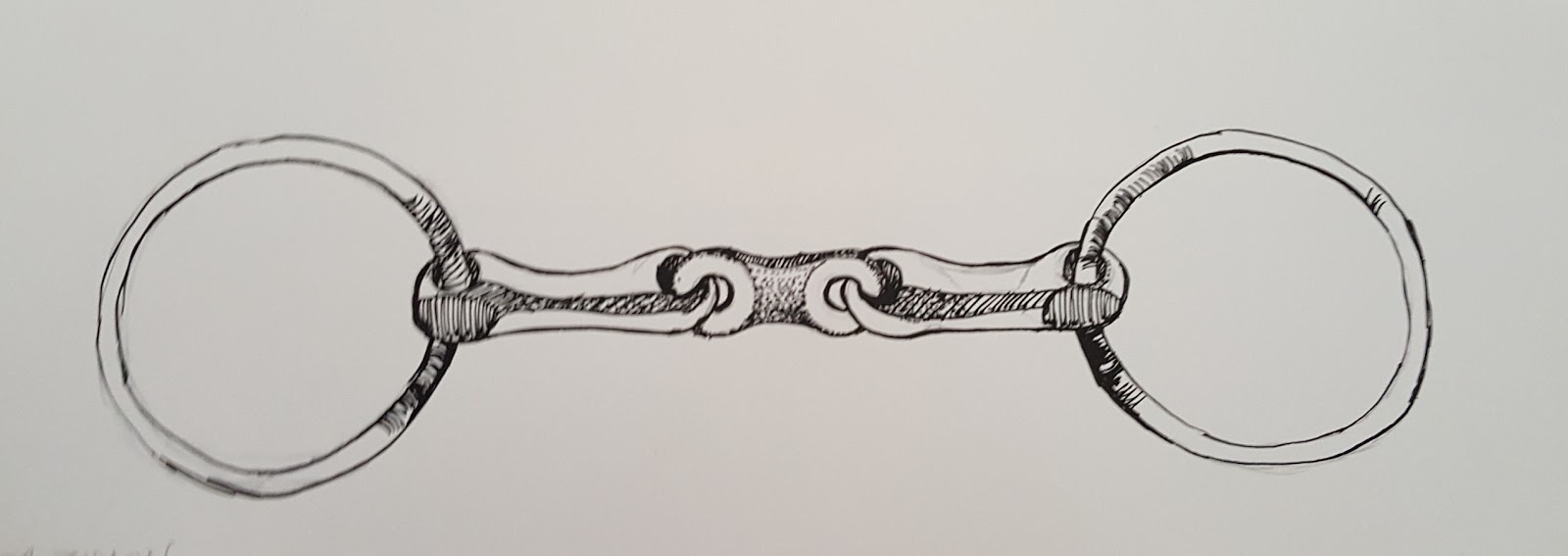
From Illustration, Pen and Ink, found object (snaffle), line work
From Drawing, conte crayon
From Illustration, pen and ink, jaw bone, pointillism and line work
From Illustration, Pen and Ink, shell, pointillism
Scratchboard, perspective building

Scratchboard, Still life (the object on the left is a horseshoe crab) 


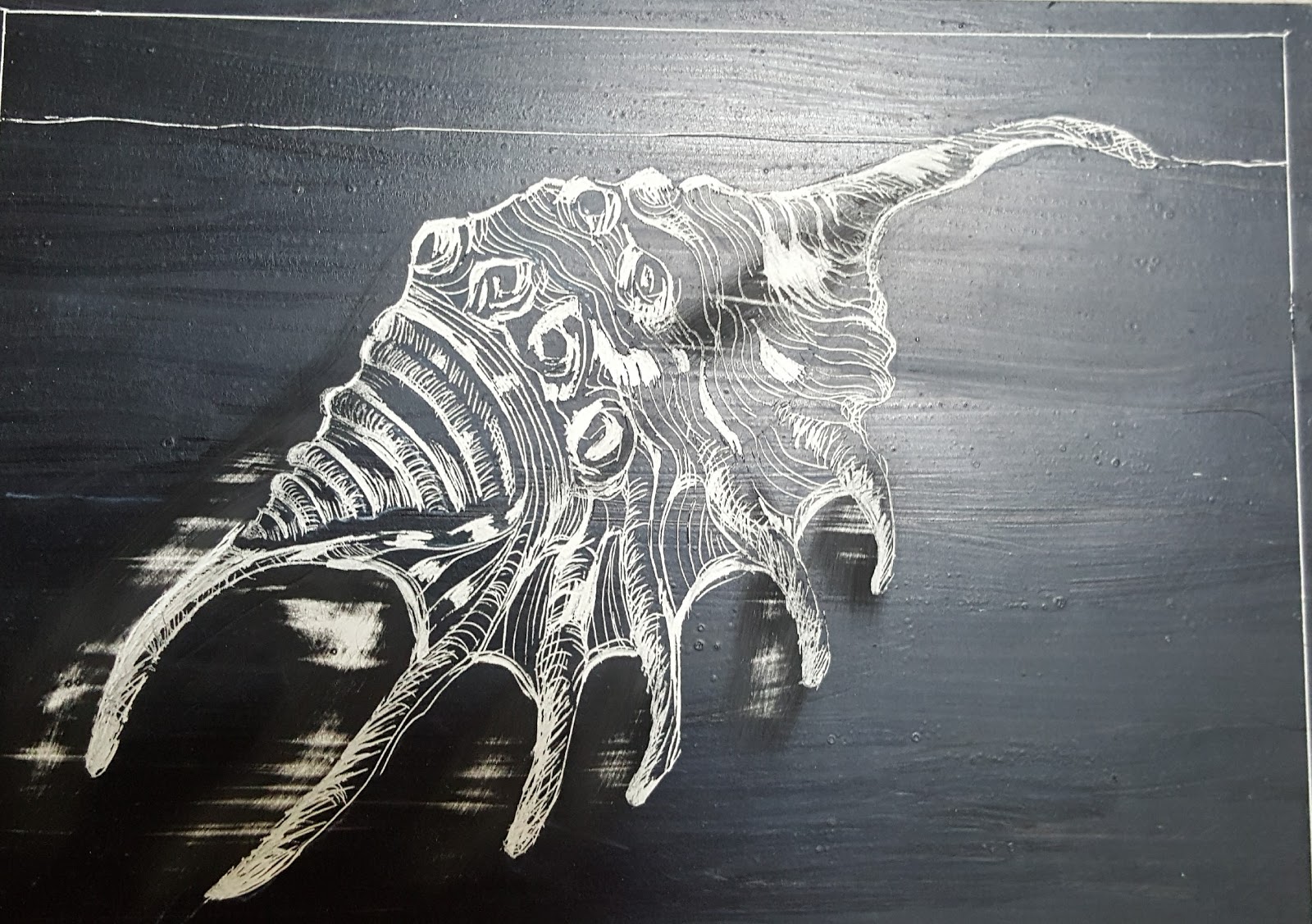
Scratchboard, shell

Scratchboard, self protrait, Medusa, don't look at it or you will turn to stone. 

10.24.2017

we'll dance by karin eda sanborn

A day in the studio, what does it look like? 
How does the work start? 
What informs it? 

Everyone's process is unique. I sit down in uncluttered studio space or go for a walk. 
Then I begin with no idea but I do have tools. 

Phenomenology is the primary cog in my creative engine. Phenomenology directly investigates without preconceived theories or notions. Dabney Townsend described phenomenology as the finding of place.(1)

The French philosopher Gaston Bachelard (1884-1962), wrote The Poetics of Space to celebrate space, time, and imagination through the diverse world of phenomenology. It is a practice where every lens taking the view in is worthy. He wrote: 
A phenomenologist takes the image just as it is, just as the poet created it, and tries to make it his own...to the very limit of what he is able to imagine.(2) 

When the architecture of the world meets the physicality of my body, the five senses engage to experience the transient nature of the universe. It does not matter where I am or if I have art supplies. Now I am ready to begin interpreting the event visually. In the next step of the creative process I practice the shotokan martial arts sentiment, know your environment, to decide the next move. 

(1) TOWNSEND, Dabney The Southwestern Journal of Philosophy Vol. 8, No. 2 (SUMMER, 1977), pp. 133-139. 
(2) Bachelard, Gaston The Poetics of Space. 1994. Beacon Press, Boston, MA p. 227.


cell
2017 observation